
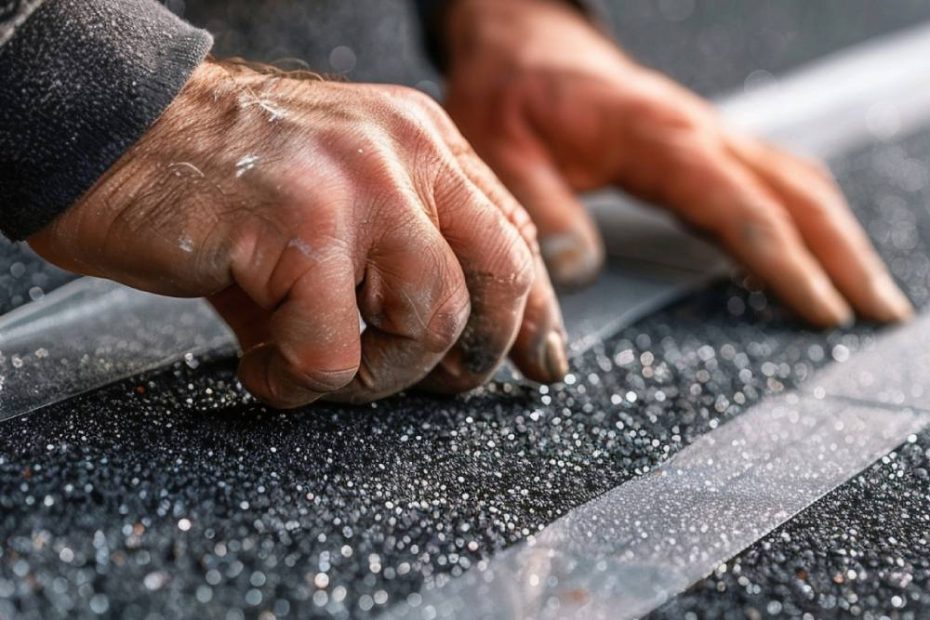
Modified bitumen roofing has become a widely recognized solution for commercial properties with flat or low-slope roofs. It combines asphalt with polymer additives and reinforcement materials, resulting in a roofing membrane that balances durability and flexibility. This system offers multi-layer protection against water infiltration, UV exposure, and thermal expansion.
Commercial property owners frequently rely on this roofing type for its straightforward installation, strong waterproofing capabilities, and compatibility with various commercial roofing applications.
For professional installations and repairs, explore our roofing services for complete project support.
The Origins of Modified Bitumen Roofing
Modified bitumen roofing emerged in the mid-1960s as a more efficient alternative to traditional Built-Up Roofing (BUR). Conventional BUR involved multiple layers of asphalt and felt topped with gravel, which, although durable, presented installation challenges and high costs.
By blending asphalt with polymers like Styrene-Butadiene-Styrene (SBS) or Atactic Polypropylene (APP) and reinforcing it with fiberglass or polyester, modified bitumen offered a flexible yet strong roofing solution.
This development provided commercial roofing projects with easier installation, improved weather resistance, and enhanced durability under varying environmental conditions.
Understanding the Components of Mod Bit Roofing
A typical modified bitumen roofing system consists of several layers that work together to protect the structure below. Insulation provides thermal resistance and stability, while modified base sheets and plies add foundational strength.
The bitumen membrane itself is the primary waterproofing layer, often reinforced with polymer materials for added flexibility and tear resistance. Adhesives, applied hot or cold, bond the layers together and to the roof deck.
A final surfacing layer shields the system from ultraviolet radiation and weathering effects, maintaining the roof’s performance over time.
Types of Modified Bitumen Membranes
Two main types of mod bit membranes are widely used in commercial roofing: SBS and APP. SBS, or Styrene-Butadiene-Styrene, creates a rubber-like membrane that maintains elasticity in fluctuating temperatures.
It adapts well to expansion and contraction and suits areas with variable weather conditions. APP, or Atactic Polypropylene, has a plastic-like quality, offering superior UV protection and durability against standing water. Selecting the correct membrane type depends on the roof design, climate, and intended application.
Understanding these differences is fundamental for achieving long-term performance in commercial roofing systems.
Benefits of Modified Bitumen Roofing
Modified bitumen roofing provides multiple advantages for commercial properties. Its high tensile strength protects against punctures and tears from storm debris, foot traffic, and general wear. Waterproofing capabilities prevent leaks, which is vital for safeguarding building contents.
The system reflects sunlight when equipped with reflective surfacing, contributing to energy efficiency and reduced cooling costs. Installation is straightforward compared to older BUR systems, allowing quicker project completion and minimal disruption to business operations.
Installation Techniques for Mod Bit Roofs
Installation methods for modified bitumen roofing primarily include peel-and-stick and torch-down techniques. Peel-and-stick systems are convenient and save time, as pre-applied adhesive allows membranes to adhere without open flames.
Torch-down installation uses heat to bond the membrane layers directly to the substrate, creating a robust seal against water penetration and UV exposure. Proper installation requires professional expertise to achieve uniform adhesion, adequate overlap, and consistent thickness across the roof surface.
Selecting an experienced commercial roofing contractor is key to avoiding issues such as ponding water, membrane damage, or premature wear.
Considerations for Commercial Roof Projects
While modified bitumen offers many benefits, commercial property owners must account for certain factors. The lifespan of mod bit roofs averages around twenty years, which is shorter than some other commercial roofing materials.
Dark-colored membranes can absorb heat, potentially impacting building interior temperatures. Torch-down applications can produce strong odors and fumes, necessitating safety precautions during installation.
Routine maintenance, including inspections and minor repairs, helps prolong roof life, making sure the system continues to perform under harsh weather conditions.
Maintenance and Longevity of Mod Bit Roofing
Regular maintenance is critical for maximizing the durability and performance of modified bitumen roofing. Commercial roof inspections should assess membrane integrity, adhesion, and potential signs of wear or damage.
Addressing small tears or punctures promptly prevents water infiltration and structural compromise. Maintaining clear drainage paths reduces ponding water and associated stress on the membrane. In addition, surfacing layers may require re-coating to maintain UV protection and energy efficiency.
Proactive maintenance supports the long-term effectiveness of the roofing system and reduces the likelihood of costly repairs.
Why Commercial Roofing Services Matter
Professional commercial roofing services are essential for successful installation and maintenance of modified bitumen systems. Licensed and insured contractors bring expertise in project planning, membrane selection, and installation techniques.
Their experience helps the roofing system perform according to specifications and complies with manufacturer guidelines. Advanced commercial roofing services also include preventative inspections, leak detection, and emergency repairs.
Partnering with a reliable contractor protects property investment, enhances building performance, and reduces operational disruptions for facility managers and business owners.
Specialty Mod Bit Systems for Enhanced Performance
Advanced modified bitumen systems incorporate specialty coatings or membranes to improve longevity, energy efficiency, and resistance to extreme conditions. These systems can include reflective surfacing to reduce heat absorption or additional reinforcement layers to handle high foot traffic and storm exposure.
Commercial properties with heavy equipment on rooftops or large HVAC systems benefit from these specialty installations. Specialty Maven Roof Systems exemplifies tailored solutions for commercial roofs, offering high-performance membranes designed to meet unique project requirements and environmental challenges.
Energy Efficiency and Sustainability
Modified bitumen roofing can contribute to energy efficiency and sustainability goals. Reflective surfaces minimize solar heat absorption, lowering cooling loads for the building.
High-quality membranes reduce the frequency of roof replacements, generating less material waste over time. Many mod bit systems are compatible with environmentally conscious practices, such as recyclable membrane components or low-VOC adhesives.
Facility managers focused on operational efficiency and sustainability can leverage these benefits while maintaining a reliable and resilient commercial roof system.
Contact Maven Roofing Company Today
For commercial property owners seeking professional guidance, contact us to explore the benefits of modified bitumen roofing and specialty roof systems. Our team at Maven Roofing Company offers expert installation, maintenance, and repair solutions, tailored to your building’s specific needs.
We combine industry experience with licensed and insured service to protect your commercial property, improve energy efficiency, and extend the lifespan of your roof.
Partnering with Maven Roofing Company means investing in a properly installed system designed for long-term performance.