
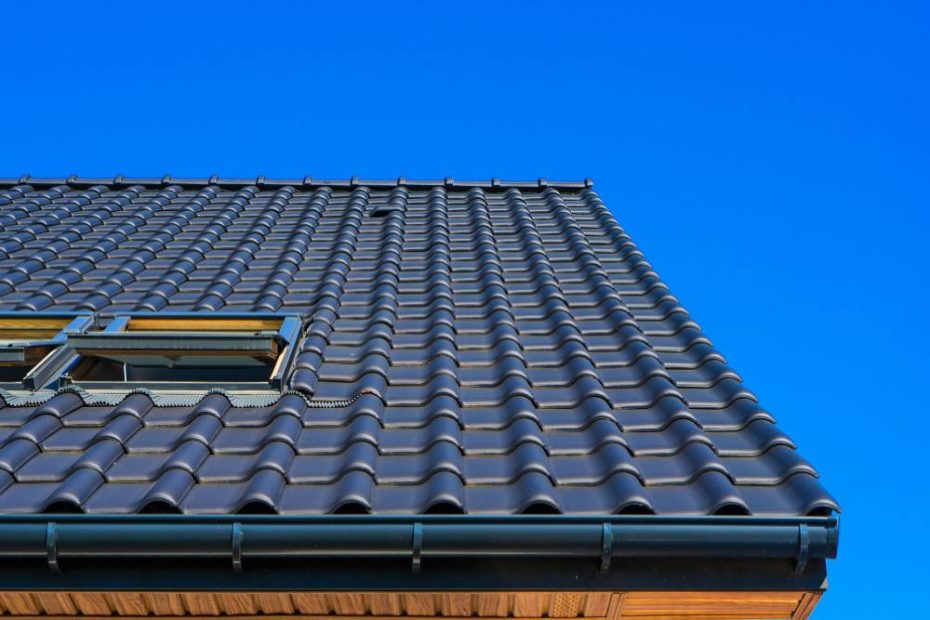
Determining how long a shingle roof lasts requires careful consideration of multiple factors including materials, climate, and maintenance. Most homeowners expect their asphalt shingles or metal roof shingles to provide decades of protection, yet the lifespan can vary significantly. Regular inspections, timely repairs, and appropriate maintenance can influence the roof’s durability.
Understanding what to expect from different roofing materials can help property owners plan financially and avoid premature replacements.
Maven Roofing Company offers comprehensive roofing services to guide homeowners through these decisions with confidence.
Your Roof’s First Five Years: Initial Performance
A newly installed shingle roof typically performs well during the first five years if the installation is correct. Early issues tend to appear quickly if there were mistakes during installation, such as improperly nailed shingles or misaligned flashing. Architectural shingles are generally more resilient than three-tab shingles, providing better resistance against wind uplift and minor storm damage.
During these early years, homeowners should monitor the roof after significant weather events, keeping records of installation and warranty documentation. Observing minor shifts in shingles, granule shedding, or slight discoloration can indicate the need for adjustments or preventative maintenance.
Five to Ten Years: Establishing Maintenance Routines
Once the roof has aged beyond the first five years, small problems may begin to emerge. Regular maintenance becomes increasingly important to prevent minor issues from developing into leaks or structural damage.
Homeowners should schedule routine inspections, ideally annually, to assess the condition of shingles, flashing, and other roof components. Removing debris from valleys, gutters, and around penetrations is necessary to maintain proper water flow.
Additionally, resealing exposed nails and flashing can prevent leaks, while soft washing or cleaning can help control algae, moss, and staining without damaging the shingles’ protective granules.
Ten to Fifteen Years: Signs of Aging
Between ten and fifteen years, signs of wear become more pronounced. Granule loss and fading indicate that UV exposure is affecting the shingles’ protective layer, increasing vulnerability to water and wind damage.
Rubber pipe boots and vent collars may start to degrade, necessitating replacements to maintain roof integrity. At this stage, minor repairs are feasible, but property owners must be cautious with DIY fixes. Improper sealing or patching can worsen damage or lead to trapped moisture.
Consulting with professional roofers ensures repairs extend the roof’s lifespan without creating additional issues.
Fifteen to Twenty-Five Years: Repair or Replacement Considerations
As a roof approaches the fifteen- to twenty-five-year mark, it is typical for multiple components to show signs of aging. Nail pops, brittle shingles, and weakened bond lines reduce the roof’s resilience against storms. Cupped, curled, or missing shingles compromise water shedding and can accelerate deterioration of underlying materials.
For roofs in this age range, professional evaluations are recommended to determine whether targeted repairs or full replacement will be the most cost-effective solution. Upgrading to modern architectural shingles or reinforced metal roof shingles may offer extended protection and energy efficiency benefits.
Common Causes of Reduced Roof Lifespan
Several environmental and structural factors can shorten a roof’s service life. Homes near the coast face accelerated deterioration due to salt air, which can corrode metal components and degrade shingles.
Wind exposure increases the risk of shingle uplift and granule loss, while overhanging tree branches or accumulated debris may puncture or trap moisture on the roof. Poor attic ventilation can contribute to premature shingle brittleness by exposing the roof deck to excessive heat.
Understanding Shingle Roof Warranties
Shingle warranties provide an estimate of expected roof lifespan but do not guarantee performance. A “30-year shingle” warranty reflects manufacturer coverage under ideal conditions rather than actual longevity.
Real-world lifespan depends on climate, roof pitch, materials, installation quality, and maintenance frequency. Many asphalt shingle roofs last between fifteen and twenty-five years, while well-maintained metal roof shingles can exceed forty years.
Homeowners should register manufacturer warranties, document installation details, and track routine maintenance to maximize the effective life of their roof.
Assessing Storm Damage
Storm events, including hail, high winds, and heavy rainfall, pose significant threats to shingles. Hail can create divots, cracks, or split shingles beneath the surface, leaving the roof vulnerable to leaks. Strong winds can lift or curl shingles, break seals, and dislodge granules.
Ice dams in winter may trap water on the roof surface, allowing infiltration beneath shingles. Homeowners should inspect their roof following severe weather, noting damaged or missing shingles and any water stains or leaks inside the home.
Detecting Leaks and Water Damage
Spotting roof leaks requires careful observation, as water may travel along the path of least resistance before appearing indoors. Inspecting the attic after heavy rainfall or snowmelt can reveal dark stains, mold, or deteriorating insulation near vents, chimneys, and skylights.
Properly identifying the leak’s origin allows for precise repair without unnecessary damage to the surrounding roof. Timely intervention prevents further water damage, extends roof life, and minimizes repair costs.
Metal Roof Shingles: Longevity and Maintenance
Metal roof shingles offer longer lifespans than standard asphalt shingles, often exceeding forty years with proper care. These systems resist wind uplift, fire, and insect damage, and reflect sunlight to reduce energy costs.
Regular inspections should address fastener integrity, rust or corrosion, and panel alignment. Cleaning debris and checking sealants around penetrations maintains performance.
While metal roofs require less frequent maintenance than asphalt shingles, professional evaluation every few years ensures early detection of issues and maintains warranty compliance.
Specialty Roof Systems and Modern Solutions
Innovative roofing systems combine durability, energy efficiency, and aesthetic appeal. These systems include single-ply membranes, reinforced metal panels, and modified bitumen options tailored to long-term performance.
Modern roof systems can incorporate reflective coatings, slip-resistant finishes, and reinforced substrates to extend lifespan and reduce maintenance frequency.
Consulting a professional roofing contractor ensures that homeowners select the best material for climate conditions, structural requirements, and long-term cost savings.
Roof Maintenance Best Practices
Routine maintenance plays a pivotal role in extending the life of a roof. Annual inspections allow early identification of granule loss, damaged flashings, and sealant deterioration. Cleaning debris from valleys and gutters prevents water accumulation, while minor repairs preserve structural integrity.
Property owners should track maintenance schedules and perform repairs promptly to avoid cascading problems. Engaging a licensed and insured roofing contractor ensures proper technique, adherence to manufacturer guidelines, and compliance with warranty requirements.
Protect Your Roof Today with Maven Roofing Company
At Maven Roofing Company, we specialize in evaluating, repairing, and replacing shingle roofs to maximize longevity. Our team inspects roofs thoroughly, identifies hidden damage, and recommends practical solutions that match your property’s needs. We combine experience with modern materials, including asphalt and metal roof shingles, to ensure your investment lasts. For a consultation or inspection, you can contact us directly.
Our goal is to protect your home or commercial property, offering long-term performance and peace of mind.