
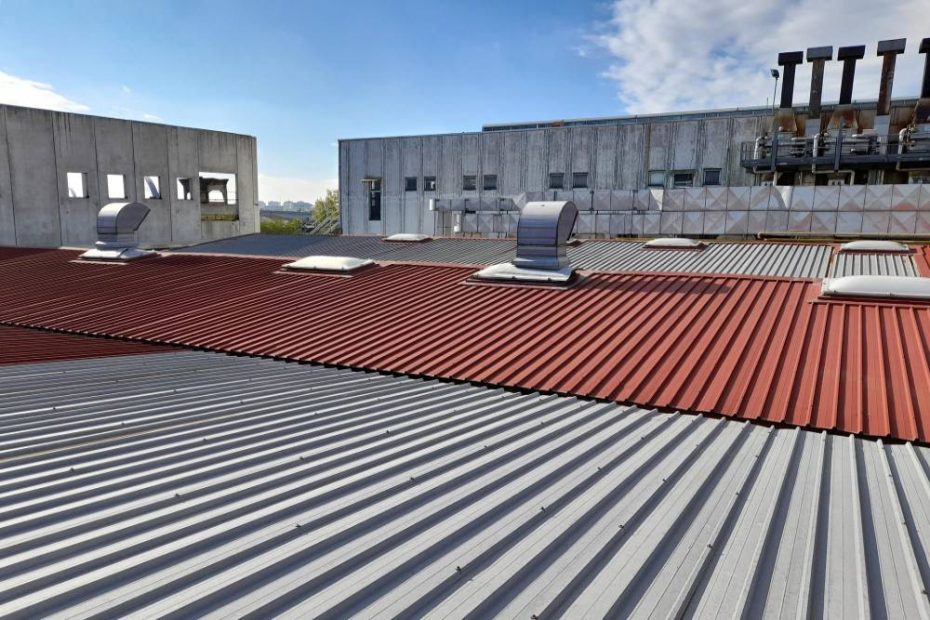
Proper roof ventilation is an often overlooked component of commercial building maintenance. Ventilation directly influences indoor air quality, roof lifespan, and energy efficiency. Without appropriate airflow, heat and moisture can accumulate in attics or rooftop systems, accelerating deterioration of roofing materials, insulation, and structural supports.
For commercial property owners, understanding roof ventilation types is an important step toward proactive maintenance. Commercial roofing services, including inspections and repairs, play a key role in identifying areas of concern and maintaining balanced airflow across the roof surface.
Why Roof Ventilation Matters in Commercial Buildings
Commercial roofs cover large surface areas, which can make temperature extremes more pronounced. Excessive heat in summer increases cooling costs, while trapped moisture can cause corrosion in metal roofing systems, warping in built-up roofs, and microbial growth in insulation. Choosing the correct ventilation type allows for controlled airflow, reduces condensation risks, and prolongs the lifespan of roofing systems.
Additionally, effective ventilation helps maintain indoor air quality, safeguarding employee health and preserving sensitive equipment. Building managers often underestimate how small adjustments in ventilation strategy can prevent significant future repair expenses.
Passive Roof Ventilation Types
Passive ventilation relies on natural airflow to move heat and moisture out of the roof structure. These systems are low-maintenance, energy-efficient, and often cost-effective for commercial properties.
- Ridge Vents sit along the peak of sloped commercial roofs, forming a continuous exhaust line. These vents allow warm air to escape evenly across the roof and are typically paired with baffles to prevent water intrusion.
- Soffit or Intake Vents are installed at lower roof edges to admit fresh air into the attic or ceiling cavity. When combined with ridge vents, soffit vents create a consistent air circulation pattern that reduces heat accumulation and moisture concentration.
- Gable End Vents are mounted on the vertical end walls of buildings with pitched roofs. These vents use wind pressure to drive airflow through the attic or ceiling cavity, offering cross-ventilation that helps maintain even temperature distribution.
- Box or Louver Vents are smaller, square-shaped openings often grouped in clusters. Their placement depends on roof size and layout, making them suitable for flat or low-slope commercial roofs where continuous ridge vents may not be practical.
- Cupola Vents add aesthetic value while assisting in exhausting hot air. They are less common in modern commercial buildings due to installation complexity and lower airflow capacity, but they remain an option for specialized architectural designs.
Active Roof Ventilation Types
Active ventilation uses mechanical or powered systems to enhance airflow. These systems are particularly effective in large commercial buildings where passive ventilation alone cannot achieve sufficient air movement.
- Power Roof Vents or electrically driven attic fans can be programmed to operate at set temperature thresholds, drawing warm air from the roof cavity. Thermostats, timers, and remote controls improve efficiency while allowing facility managers to adjust operation based on seasonal needs.
- Turbine Vents, also called whirlybirds, rely on wind energy to rotate and create suction that expels hot air. These vents perform best in windy regions and reduce the dependency on electrical power, although they require careful placement to maximize airflow efficiency.
- Solar-Powered Roof Vents use photovoltaic cells to drive ventilation fans. These systems provide sustainable airflow solutions, reducing energy consumption while maintaining consistent temperature and moisture control. Solar-powered vents are an increasingly popular option for green commercial building initiatives.
Calculating Ventilation Needs
The effectiveness of roof ventilation depends on matching vent capacity to building size. Commercial property managers should account for total roof area, insulation type, and internal heat loads when designing ventilation systems. A typical guideline is to provide one square foot of vent area for every 300 square feet of attic or roof cavity space, evenly split between intake and exhaust.
Professional Specialty Maven Roof Systems can assess unique building layouts to recommend optimal vent type and placement for maximum airflow efficiency.
Mixing Ventilation Types
While combining intake and exhaust vents is necessary for balanced airflow, using multiple types of intake or exhaust vents together can disrupt airflow patterns. Improper combinations may create negative pressure zones or ineffective circulation. Facility managers should seek expert advice to design a system where each vent functions as intended. Professional consultation can prevent costly adjustments and enhance the performance of commercial roofing services over the life of the roof.
Roof Ventilation in High Wind Areas
Buildings located in regions prone to strong winds require specialized ventilation solutions. Turbine vents and baffle-equipped ridge vents are designed to withstand high wind pressures without allowing water intrusion or structural damage. Selecting vents engineered for local climate conditions extends the durability of roofing materials and reduces the need for premature repairs. Consulting with experienced commercial roofing specialists helps your roof ventilation system meets performance requirements even in challenging environmental conditions.
Maintenance Considerations for Commercial Roof Vents
Regular inspections and maintenance are essential to sustain the benefits of roof ventilation systems. Blocked intake vents, debris accumulation around exhaust vents, and mechanical failures in powered systems can compromise airflow and increase energy costs.
Cleaning, re-sealing, or replacing worn components maintains system efficiency and prevents moisture-related damage to roofing structures. Commercial roof service agreements often include scheduled inspections and vent assessments to identify problems before they escalate into costly repairs.
Integrating Ventilation With Other Roof Systems
Roof ventilation works in tandem with insulation, waterproofing, and drainage solutions. Proper airflow reduces thermal stress on roof membranes, extends the life of coatings, and prevents condensation that could deteriorate underlying structures.
Effective integration of ventilation systems with other roofing components enhances building performance and minimizes operational costs over time. Facility managers should prioritize holistic approaches when planning upgrades or replacements for commercial roofing systems.
How Maven Roofing Company Will Help You
At Maven Roofing Company, we specialize in designing, installing, and maintaining ventilation systems tailored to commercial buildings. Our team evaluates each property to determine the most effective combination of passive and active roof vents for optimal airflow, energy efficiency, and moisture control. We integrate these systems with commercial roofing services to maximize the longevity of your roof and reduce operational costs.
Our licensed, bonded, and insured team focuses on delivering reliable, high-quality solutions for facility managers and property owners.
Get Expert Commercial Roof Ventilation Assistance
For expert guidance on commercial roof ventilation types and maintenance strategies, contact us today. Our experienced team offers inspections, repair services, and customized installation plans to protect your building’s roofing investment. By addressing ventilation needs proactively, we help prevent long-term damage, reduce energy costs, and maintain safe indoor conditions for occupants.
Partnering with Maven Roofing Company helps keep your commercial roof efficient, durable, and reliable for years.