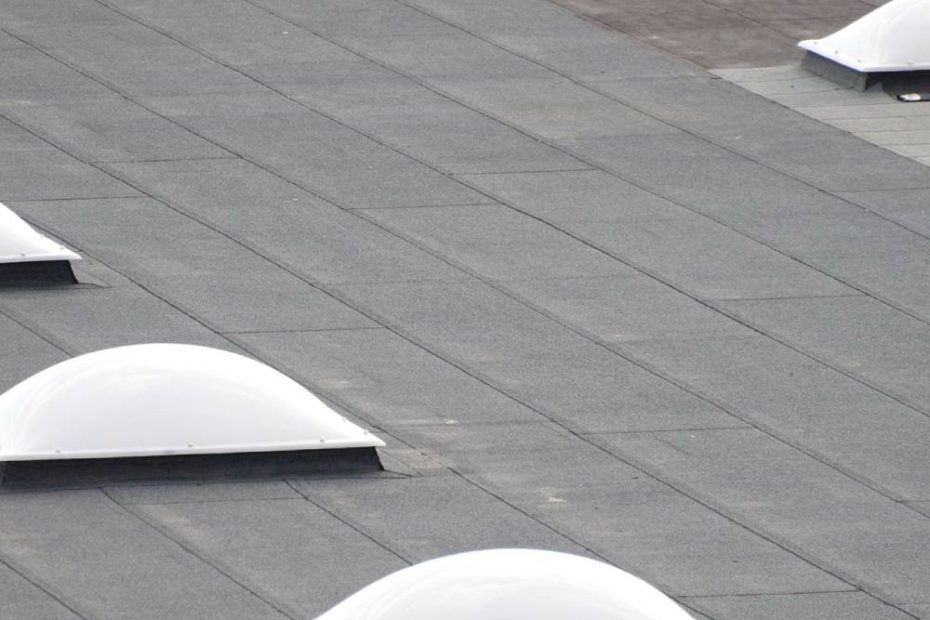
Commercial roof coatings are engineered to extend the life of existing roof systems and protect building investments from harsh environmental exposure. For facility managers, property owners, and building operators, selecting the right coating system is a strategic decision that impacts durability, energy efficiency, and long-term maintenance.
Working with experienced professionals in roofing services allows building owners to assess the current roof condition and identify coating solutions that can strengthen membranes, reduce energy costs, and delay the need for a full roof replacement.
Benefits of Commercial Roof Coatings
A properly applied roof coating offers more than just waterproofing. It protects the roof membrane from ultraviolet (UV) damage, temperature fluctuations, and minor mechanical impacts. By forming a reflective surface, roof coatings help lower the heat absorbed by the building, easing the strain on HVAC systems and reducing energy expenses.
Coatings can also improve fire resistance and enhance the overall aesthetic of an aging roof system. For many commercial properties, coatings serve as a cost-effective alternative to full roof replacement while extending the operational life of existing structures.
Buildings with minimal membrane deterioration or minor water intrusion issues benefit the most from coatings. A roof coating acts as a barrier to further damage and allows owners to address performance issues before they escalate.
However, the underlying roof system must be structurally sound. Coatings cannot compensate for significant membrane failure, saturated insulation, or damaged flashing. Assessing roof integrity with a qualified roof coating contractor ensures that the coating will achieve maximum performance.
Types of Commercial Roof Coatings
Commercial roof coatings are available in multiple material types, each with unique properties suited to different climates and building requirements. The primary types include acrylic, polyurethane, silicone, and PMMA coatings. Selecting the appropriate system depends on factors such as roof slope, anticipated traffic, exposure to ponding water, and budget.
Acrylic coatings are water-based and generally the most cost-effective option. They reflect sunlight effectively, reducing heat absorption and lowering energy costs. Acrylic coatings adhere well to most roof substrates, including metal, built-up, modified bitumen, and single-ply systems. They offer flexibility and UV resistance, which helps minimize cracking and material degradation over time. While excellent for areas with high solar exposure, acrylic coatings are less suitable for roofs that experience frequent ponding water.
Polyurethane coatings are solvent-based and provide high abrasion resistance and mechanical durability. They are commonly applied to roofs subject to heavy foot traffic or hail-prone environments. Polyurethane coatings adhere strongly to the roof surface and can enhance waterproofing on industrial flat roofs. Their chemical composition allows the coating to resist moderate impact, but proper ventilation is necessary during application due to strong odors emitted from solvents.
Silicone coatings are highly versatile and widely used in regions with frequent rainfall or persistent ponding water. They offer exceptional water resistance while maintaining reflectivity to reduce solar heat gain. Silicone membranes retain elasticity over long periods, accommodating expansion and contraction cycles caused by temperature changes.
While highly effective, these coatings can become slippery when wet, so walkways or slip-resistant aggregates may be incorporated in areas with regular foot traffic. Silicone coatings also attract dirt over time, which can reduce their reflectivity. Routine cleaning maintains their performance and energy-saving benefits.
PMMA coatings are a newer, reinforced system typically installed during roof construction. This coating strengthens flat roof membranes, allowing them to support heavy loads such as rooftop gardens or pavers. The material cures quickly, forming a durable, watertight barrier.
PMMA systems offer excellent UV resistance and durability, making them a premium option for roofs expected to handle higher structural demands. These coatings are ideal for industrial roof coatings where both longevity and mechanical strength are necessary.
When to Coat or Replace a Roof
Determining whether to apply a roof coating or replace a roof depends on three primary factors: the roof’s current condition, its age, and the building budget. Coatings are appropriate for roofs with minor wear, isolated leaks, or membranes that are intact but beginning to deteriorate. Applying a coating in this situation can extend roof life and defer major expenses.
For roofs with significant membrane damage, saturated insulation, or structural concerns, a coating may not provide adequate protection. In these cases, replacement becomes the more cost-effective solution in the long term. Roof age also plays a role. Coatings applied to a roof near the end of its lifecycle may only delay replacement briefly, while younger roofs benefit more substantially from the added protection. Budget considerations often make coatings attractive, but it is important to plan for eventual roof replacement.
Installation Considerations
The installation process is vital for performance. Roof coatings require a clean, dry substrate and proper adhesion to the existing membrane. For optimal results, a qualified contractor evaluates the roof surface, repairs minor damage, and selects the material and method best suited to the building’s requirements.
Application techniques vary depending on the type of coating: water-based acrylics may be rolled or sprayed, solvent-based polyurethanes require careful ventilation, and silicone coatings may be reinforced with aggregate in high-traffic areas. PMMA systems typically involve multiple layers, including a base coat, reinforcement fleece, and topcoat for structural integrity.
A professional roofing contractor also considers factors such as temperature, weather, and roof traffic during installation. Coatings are sensitive to environmental conditions, and improper application can compromise performance.
Energy Efficiency and Sustainability
Commercial roof coatings contribute to energy efficiency by reflecting solar radiation and reducing heat gain within the building. A reflective coating can lower interior temperatures during hot months, decreasing energy usage for cooling systems.
In addition to reducing costs, energy-efficient coatings contribute to sustainable building operations by minimizing greenhouse gas emissions. Selecting reflective and environmentally responsible coatings can enhance both the financial and ecological performance of commercial properties.
Protect Your Roof and Extend Its Life with Maven Roofing Company
At Maven Roofing Company, we combine decades of experience with specialized knowledge in commercial roof coatings. Our team assesses your building’s unique requirements and recommends solutions that extend roof life, reduce energy costs, and enhance protection. From acrylic and polyurethane coatings to silicone and PMMA systems, we deliver professional installation and maintenance tailored to industrial and commercial properties.
Contact us today to schedule an inspection and discover how our process can safeguard your roof investment.