
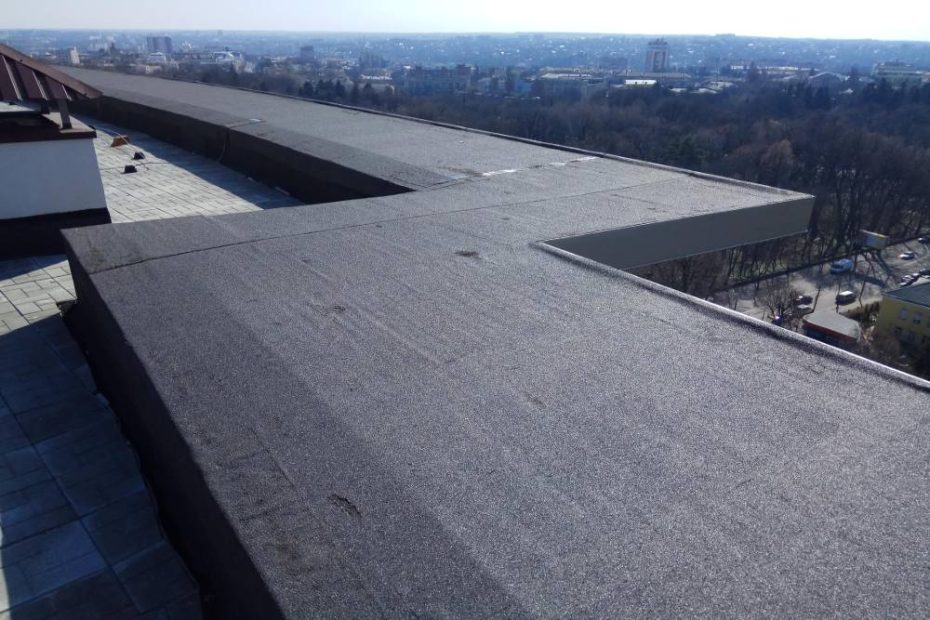
Commercial flat roofs are integral to the functionality of warehouses, retail centers, and industrial facilities. Managing these roofs requires a precise understanding of commercial flat roof repair, as minor leaks can escalate into structural damage if left unaddressed.
Proper maintenance and timely commercial roofing repair reduce costly downtime, safeguard equipment and inventory, and extend the lifespan of your roofing system.
Accessing experienced roofing services is fundamental to preventing recurring issues and maintaining operational continuity in commercial buildings.
Understanding Flat Roof Challenges
Flat roofs present unique challenges compared with sloped roofing. Water does not drain as efficiently, which increases the likelihood of ponding and accelerated membrane wear. Many commercial flat roof systems feature seams that are prone to breakdown over time. Each seam represents a potential point of leakage, making frequent inspections and maintenance vital.
Environmental exposure adds another layer of complexity. Heat, cold, ultraviolet radiation, and heavy rain can gradually degrade the roof membrane, compromising both its waterproofing and structural integrity. Buildings located in areas prone to hail, high winds, or other severe weather require special attention to prevent damage and subsequent commercial roof repairs.
Common Causes of Flat Roof Leaks
Identifying the source of leaks can be complicated. Water may enter one location but travel along the membrane before appearing inside the building. Common causes include broken seams, punctures from debris, or damaged flashing around vents and rooftop equipment. Aging materials and improper installation are also frequent contributors to commercial flat roof problems.
Severe weather events, including hailstorms, high winds, or flooding, often trigger unexpected leaks. While minor leaks can sometimes be addressed with temporary patches, addressing underlying issues promptly is essential to avoid escalating repair costs and structural damage.
Commercial Roofing Repair Materials
The choice of repair materials depends on the type of flat roof. Common materials include:
- EPDM (Rubber Roofing): Durable and resilient, EPDM is widely used for commercial applications and allows straightforward patching for minor leaks.
- Modified Bitumen: Asphalt-based membranes that combine heat-applied or torch-applied techniques to create a strong waterproof barrier.
- Built-Up Roofing (BUR): Composed of layers of bitumen and reinforcement fabrics, BUR provides long-term protection but requires professional application for repairs.
- TPO (Thermoplastic Polyolefin): Single-ply roofing with a reflective membrane that can be fully adhered or mechanically attached.
- PVC Roofing: Multi-layered membranes reinforced with polyester to enhance flexibility, UV resistance, and durability.
Selecting the right materials and repair method ensures that commercial roof repairs address both immediate leaks and long-term roof performance.
Steps for Locating Roof Leaks
Detecting leaks requires careful observation. Start from the point of water entry inside the building and measure distances to structural markers such as walls or vents. Trace potential pathways along the membrane to find the true source. Examine seams, flashing, vent pipe boots, and penetrations for damage.
Professional commercial roof repair contractors use specialized tools to identify leaks that are not immediately visible. Early identification allows timely interventions that prevent minor issues from escalating into extensive damage requiring full roof replacement.
Flat Roof Repair Options
Small leaks may be repaired using patches, sealants, or membrane overlays. For EPDM, rubber patches and adhesives restore the integrity of the roof. TPO and PVC repairs often involve heat-welding membranes or using compatible patch materials to prevent water intrusion. Modified bitumen and BUR repairs may require torch-applied sheets or bitumen-based sealants.
DIY repairs are sometimes feasible for minor issues, but they carry inherent risks. Safety is a primary concern, particularly on slippery or elevated surfaces. Improper repairs can exacerbate damage, void warranties, and compromise the roof’s lifespan. Consulting a qualified commercial roofing repair specialist is recommended to protect your building and investment.
Flat Roof Repairs vs. Replacement
Determining whether to repair or replace a flat roof depends on several factors. Roof age, extent of damage, material condition, and maintenance history all play a role. Most commercial flat roofs last between 20 and 25 years, though leaks may appear earlier due to environmental stress or installation deficiencies.
Repairs are most cost-effective for roofs showing minor damage or localized leaks. Extensive membrane deterioration, saturated insulation, or structural damage often makes full replacement the better long-term solution. While repairs address immediate issues, a replacement can prevent recurring costs and operational disruptions.
Specialty Roof Systems
Advanced flat roof systems can minimize future repair needs and extend roof life. Specialty systems such as single-ply membranes, modified bitumen, and restoration coatings offer increased durability and resistance to ponding, UV radiation, and foot traffic.
Integrating these systems during a roof replacement or overlay project can reduce long-term maintenance requirements.
Maintaining Your Flat Roof
Routine inspections and proactive maintenance significantly reduce the likelihood of leaks. Scheduled evaluations should include membrane integrity, seam conditions, flashing, drains, and roof penetrations. Debris removal, minor patching, and proper drainage management all contribute to the roof’s longevity.
Commercial roofing repair extends beyond immediate leak fixes. Corrective maintenance identifies weak points, strengthens vulnerable areas, and prevents water intrusion from spreading to interior spaces. This proactive approach limits repair costs, protects assets, and preserves structural performance over time.
Cost Considerations
Understanding repair costs versus replacement is essential for budget planning. Material type, roof size, complexity, and accessibility influence pricing. Minor repairs generally require less investment than full replacement, but recurring leaks may accumulate higher long-term expenses.
A qualified commercial roofing repair team can assess the roof, recommend cost-effective solutions, and prevent premature deterioration that leads to additional commercial roof repairs.
Prevent Costly Damage with Professional Commercial Flat Roof Repair
Flat roofs can hide problems that escalate quickly if left unattended. Water pooling, broken seams, and membrane deterioration can lead to structural damage, mold growth, and increased energy costs. Early intervention through professional commercial flat roof repair reduces the likelihood of extensive damage and lowers long-term maintenance expenses.
Experienced commercial roofing repair specialists can accurately identify weak points, perform targeted repairs, and extend the life of your roof while minimizing disruption to your building operations.
Protect Your Investment with Maven Roofing Company
Maven Roofing Company specializes in comprehensive commercial flat roof repair and restoration. Our licensed, bonded, and insured team evaluates your roof’s condition, identifies leaks, and implements long-lasting solutions. From minor membrane repairs to specialty system installations, we combine industry expertise with practical knowledge to extend the life of your roof.
Contact us today to schedule an inspection and discover tailored solutions that protect your commercial property and reduce future repair costs.